
How do you parse a URL into its parts?
A long ad link looks like noise, but it's built from four predictable pieces. The protocol (https) comes first, then the domain (www.example.com), then the path (/pricing/teams), and finally an optional query string after the question mark: key=value pairs joined by ampersands. Parsing means cutting at those delimiters. Paste a link here and the tool does the cutting for you: protocol, domain, and path up top, then each query parameter on its own row.
Case is the first convention to know: the domain is case-insensitive, the path and query values are not. Encoding is the second: query values often arrive percent-encoded, where %20 is a space and %2F is a slash, so read them decoded. The same parameter name can legally appear more than once, and different systems disagree about which copy wins. Anything after a # is a fragment; browsers use it to scroll or route, but it's never sent to the server.
Got a whole column of URLs instead of one? The same split runs in Ferra, each component lands in its own column of a live table you can filter and pivot.
How the URL parser works
Drop a link in the field and the split happens the moment you paste: no submit button, no request to a server. Out come the protocol and domain, the path, and one row per query parameter with its name and value, so a long tracking link becomes a small readable table.
- URL
- Paste the complete link, https:// prefix included. Long tracking links from ad platforms and email tools are exactly what it's for: the messier the link, the more useful the breakdown.
Reading the output
Take https://www.example.com/pricing/teams?plan=annual&seats=10. The parser shows https as the protocol and www.example.com as the domain, puts /pricing/teams on the path line, then adds two parameter rows: plan holding annual, seats holding 10.
Percent-encoded values fool people. utm_campaign=spring%20sale means "spring sale". That %20 is an encoded space, not part of the words. Judge values in their decoded form, and if you edit a decoded value and rebuild the URL by hand, re-encode it first, or the link breaks at the first space.
When to use the URL parser
Before a campaign ships, paste the final URL from your ad platform or email tool and confirm every UTM parameter is present and spelled consistently, and that the link still points at the right landing page. A typo hides easily inside one long unbroken string. In a table of parameters, it jumps out.
Inherited data is the other reason you'll be here. Analytics exports and referrer logs are stuffed with long URLs, affiliate reports too, where the interesting part, a campaign name or a product id or a session token, sits buried in the query string. Parse one representative URL and you learn which parameters exist, so you know what to extract from the rest.
Tips for the URL parser
Most URL problems live in the query string, and that's where these five point.
- Check links before they ship
- Parse the link exactly as it will be published. A typo in one UTM value splits your campaign reporting in two.
- Decode before you judge
- %20, %2C, and friends are encodings, not typos. Read values decoded before deciding something's wrong.
- Watch for duplicate parameters
- The same name can appear twice, and different systems keep the first or the last value. A duplicate gets fixed at the source, not in the output.
- Ignore the fragment
- Everything after # stays in the browser and never reaches the server, don't go hunting for it in server logs.
- Strip what you don't need
- Before sharing a link internally, drop tracking parameters like gclid and fbclid; the page loads the same without them.
Other tools
Browse all toolsRelated templates
Browse all templates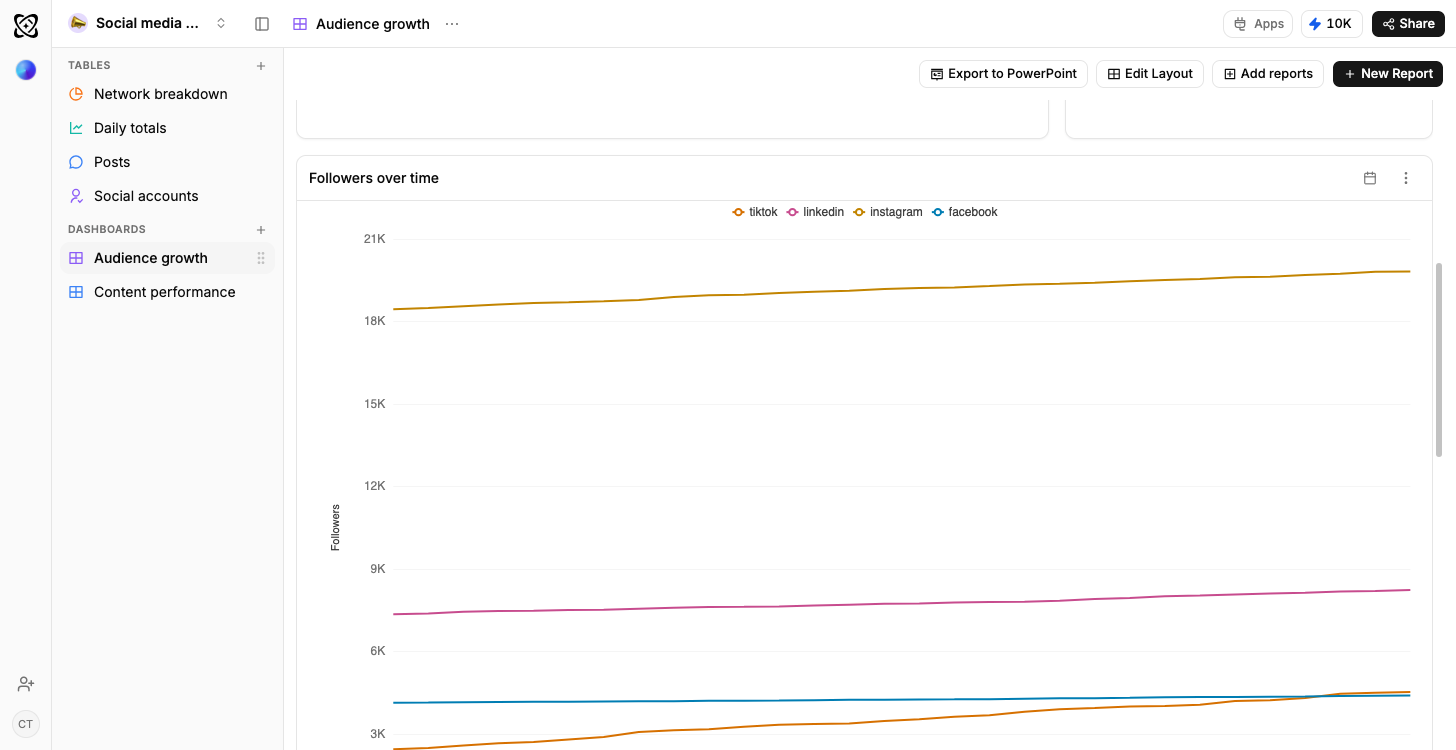
- TikTok
- YouTube
Social media analytics
Every channel compared, and what works where
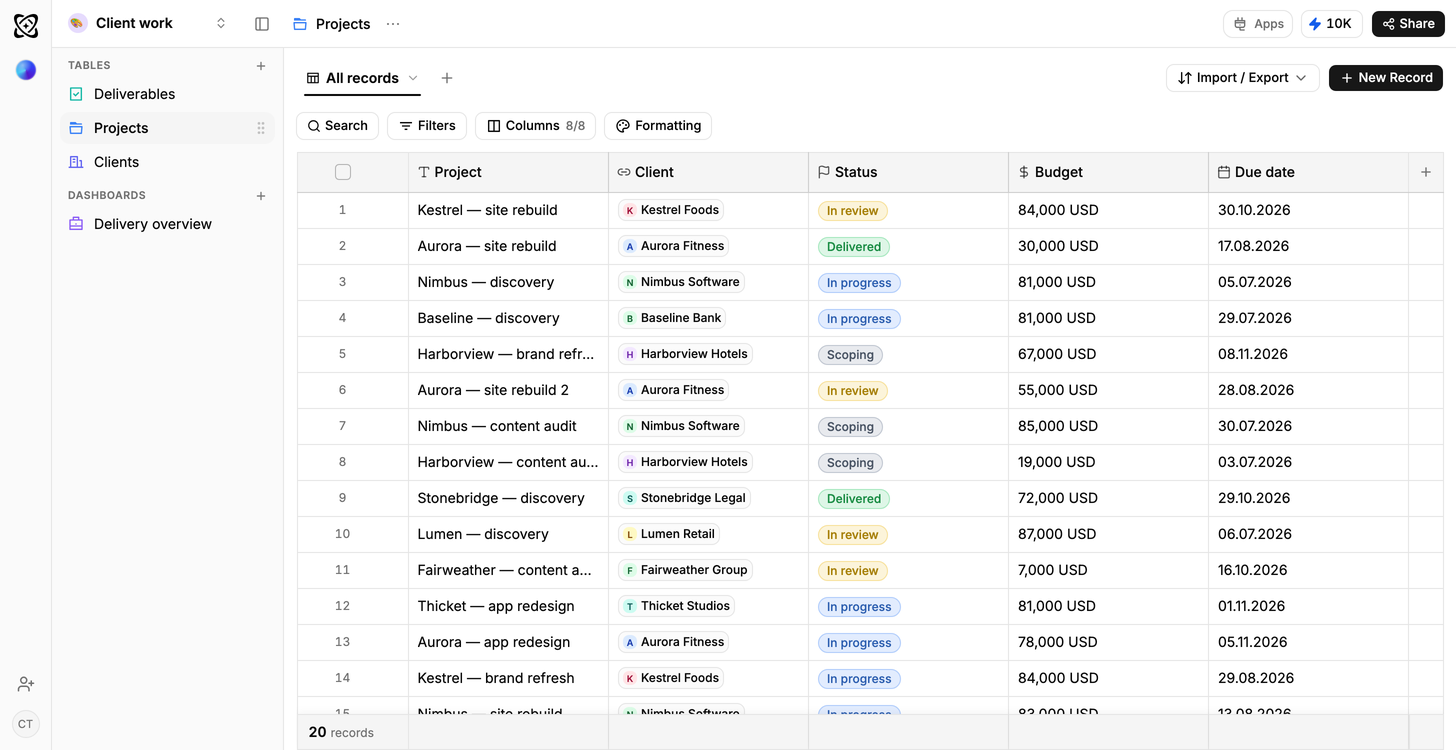
Client work
Due this week; shipped but not billed
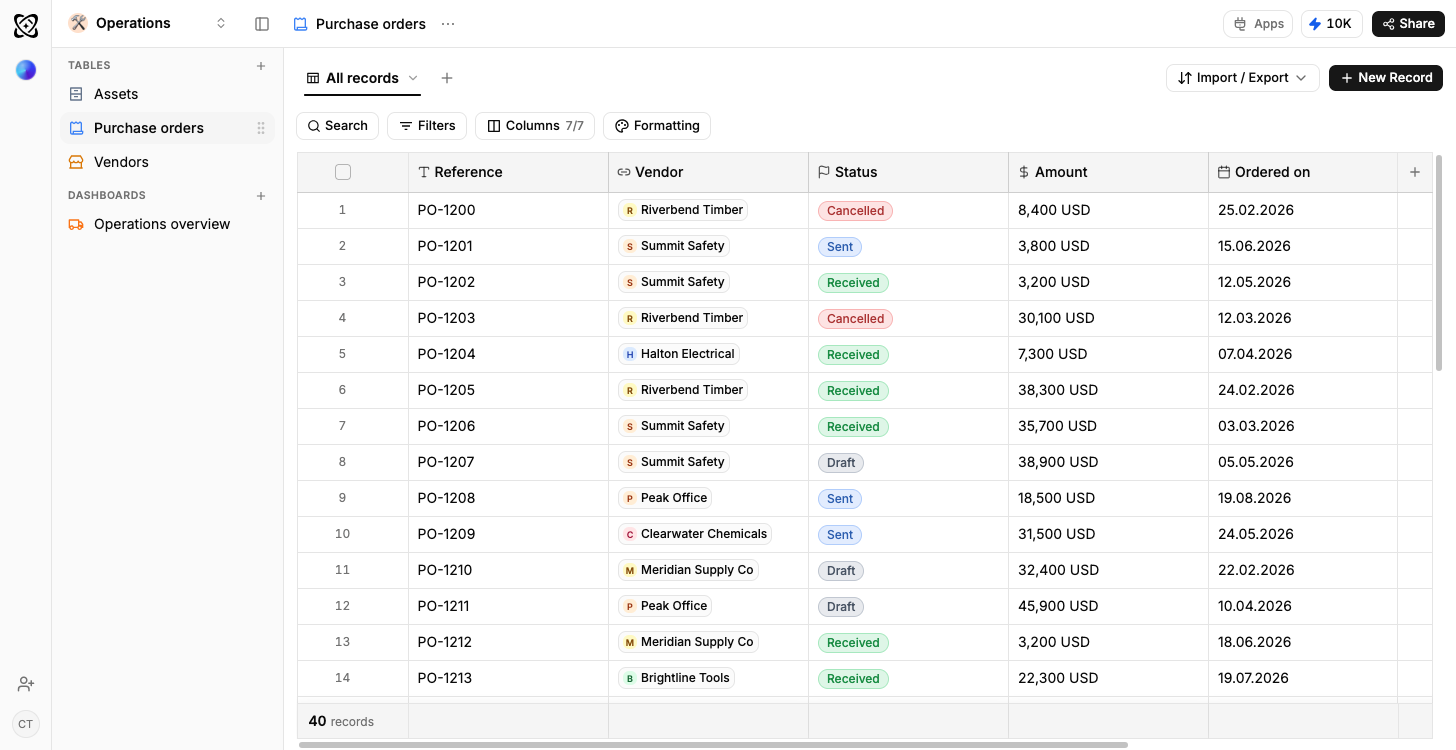
Operations
Orders in flight, spend by supplier
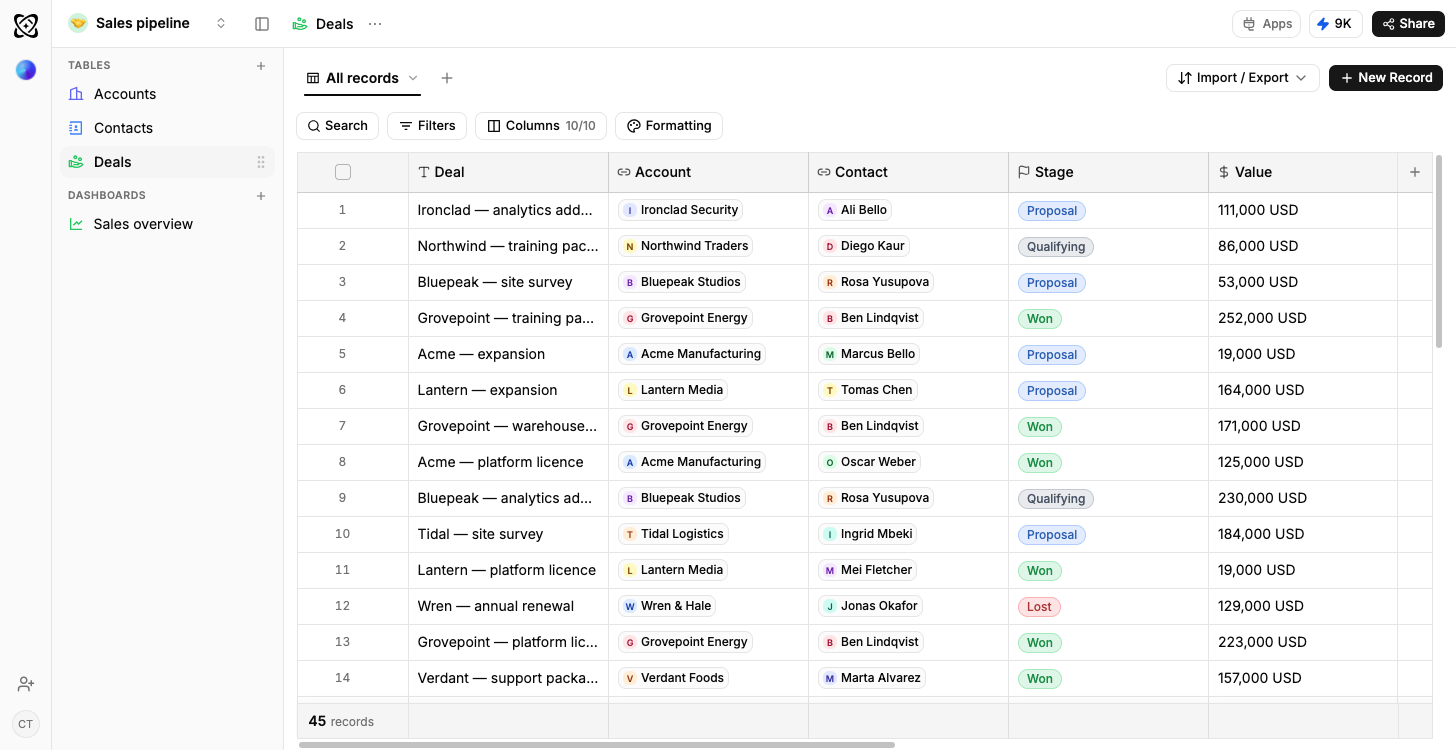
Sales pipeline
Open pipeline by stage, results by owner
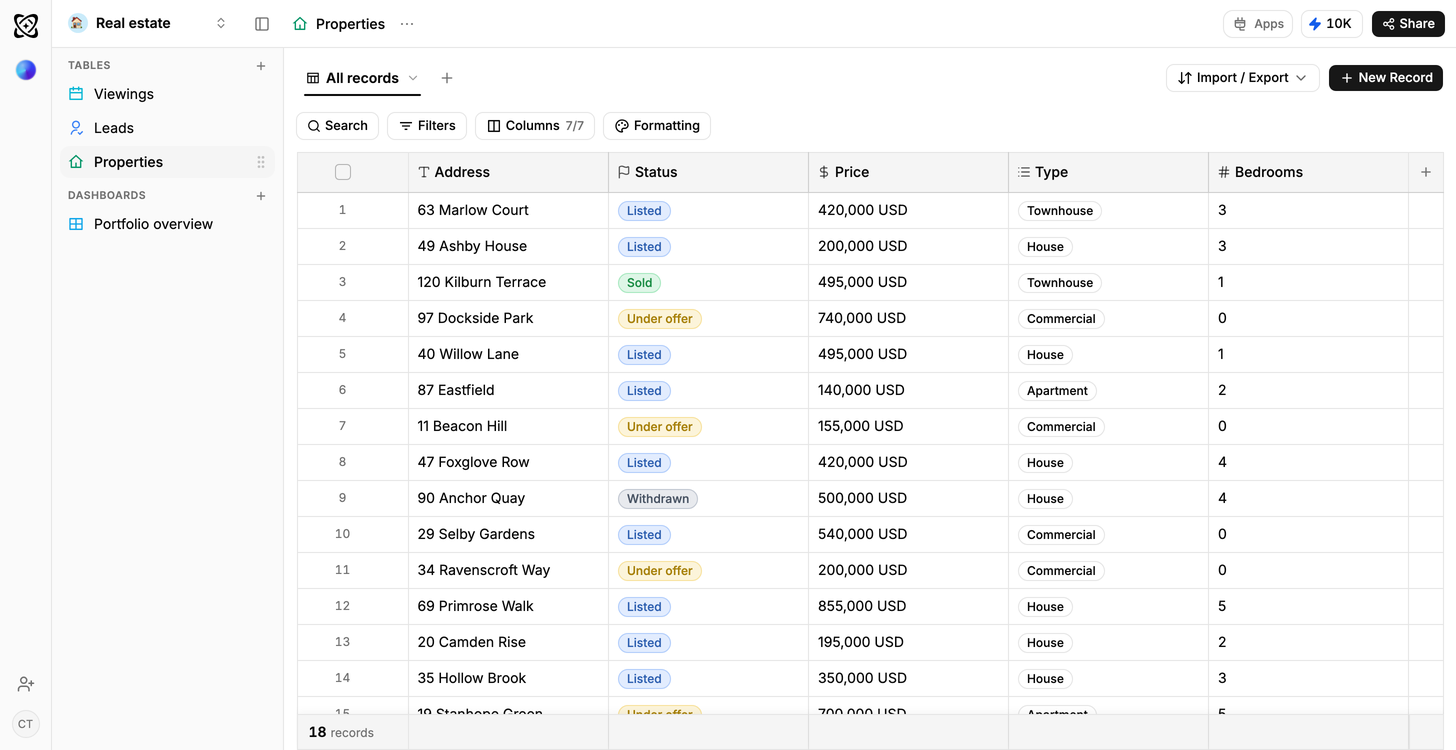
Real estate
Portfolio value and leads, by stage
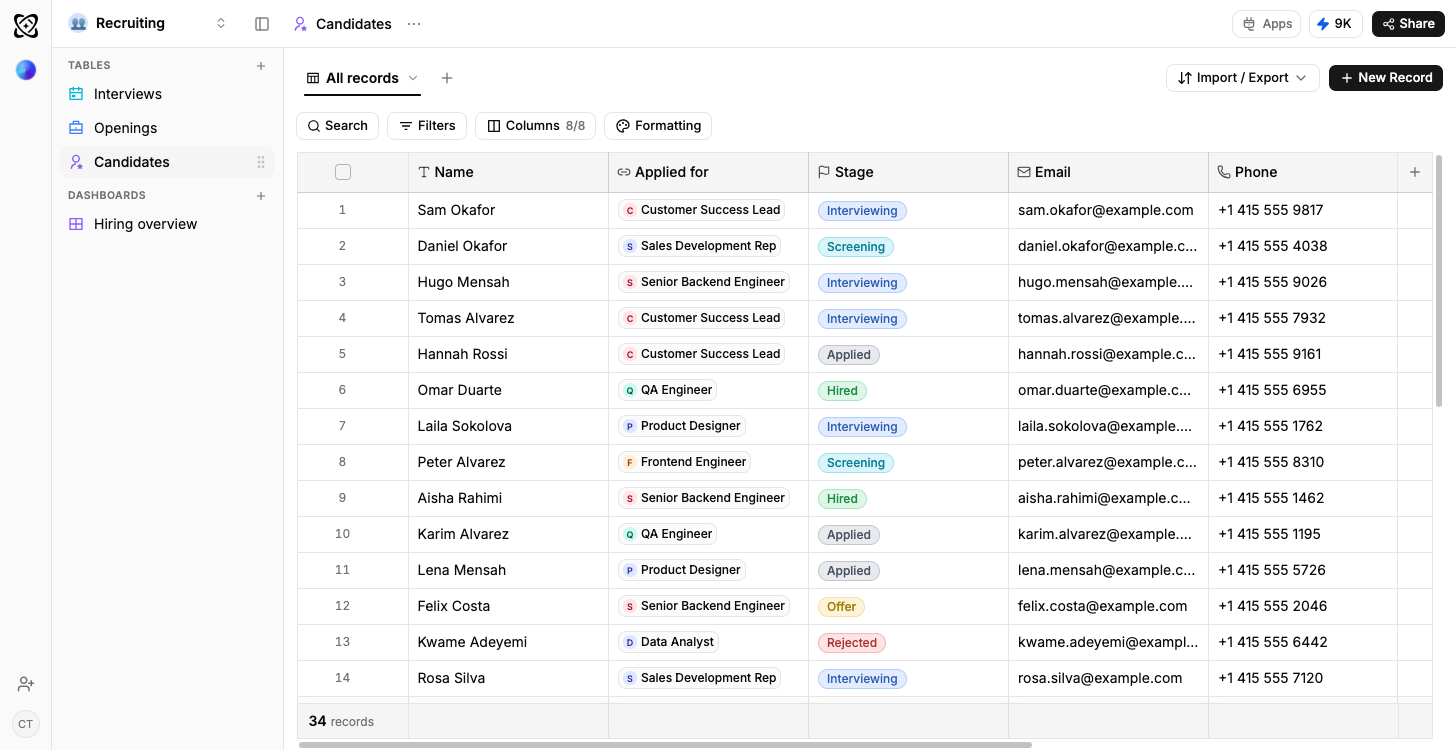
Recruiting
Candidates by stage, openings by status
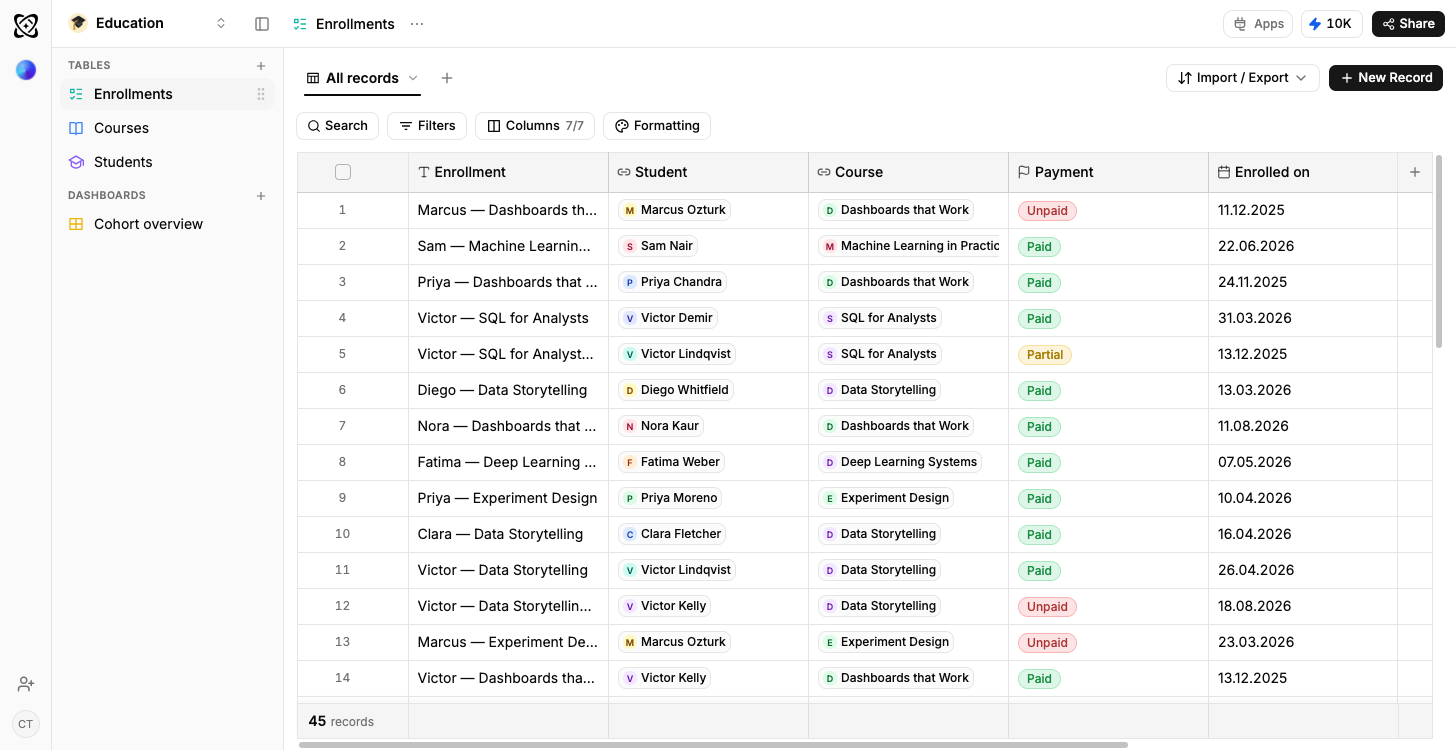
Education
Attendance and completion by cohort
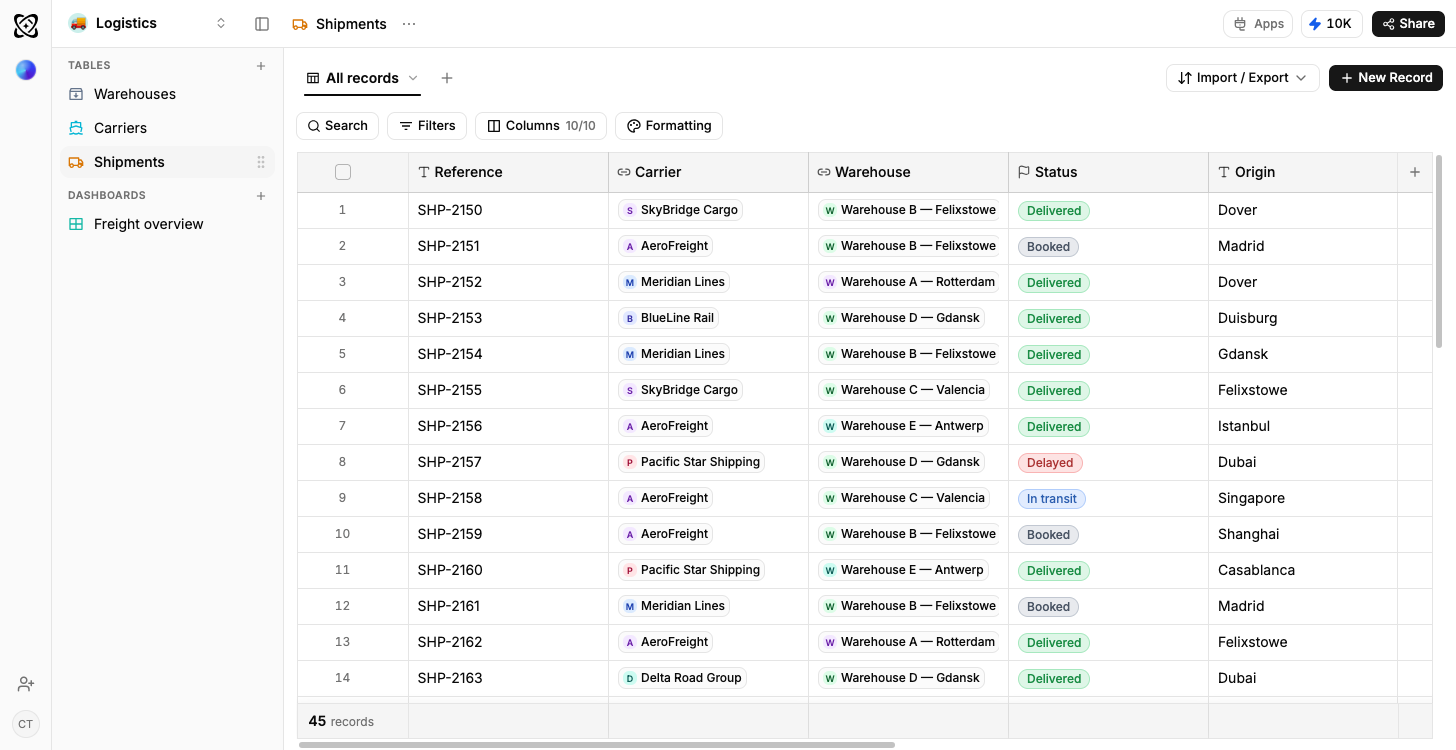
Logistics
On-time rate by carrier and lane