
How do you calculate sales tax?
Tax amount = net price × tax rate / 100; gross price = net price + tax amount
A $100 item at an 8.25% rate rings up at $108.25. The math behind that: multiply the net price by the tax rate divided by 100 to get the tax amount, $8.25 here, then add it back to the net price. That sum is the gross price, the total the buyer pays, and sales tax itself is a percentage of the pre-tax price collected at the point of sale.
Where the sale happens sets the rate. State rates run from 0% (Delaware, Montana, New Hampshire, Oregon) to over 7%, and county and city additions push combined rates past 10% in some cities. Selling into multiple states? The rate follows the buyer's location once you cross that state's economic nexus threshold, so track sales by state. And when you need to go the other way, pulling the net price out of a tax-inclusive total, divide the gross price by one plus the rate.
Teams that forward order confirmations or invoices into Ferra get net, tax, and gross as columns in one table, so checking totals by state takes a question, not a re-keying session.
How the sales tax calculator works
Two inputs, two outputs. Enter the pre-tax price and the applicable tax rate; back come the tax amount in dollars and the total the buyer pays. That covers both jobs: quoting a final price to a customer, and checking the tax line on an invoice someone else built.
- Net price (before tax)
- What the customer pays for the goods before tax, after any discounts. Discount first, then tax: the taxable base is the price actually charged, not the list price.
- Sales tax rate
- The combined rate for the place where the sale is taxed, in the US, a state rate stacked with county and city additions. Look it up for the exact address; two neighboring towns can charge different rates.
Calculating sales tax
Take a $250 item where the rate is 6%. Tax is 250 × 6 ÷ 100 = $15.00, and the total price is 250 + 15 = $265.00. The rate always applies to the net price: tax is a percentage of what the seller charges, not of the final total.
Working backward inverts the same relationship. A receipt shows $265.00 and you know the rate was 6%: the net price is 265 ÷ 1.06 = $250.00, and the $15.00 difference was the tax.
Multiply that $265.00 receipt by 6% and you get $15.90, not $15.00: wrong, because the total already contains the tax. Pulling tax out of a gross figure by multiplying it by the rate is the classic error here. To split a tax-inclusive price, divide by one plus the rate; never multiply the gross figure by the rate itself.
When to use the sales tax calculator
Any time the sticker price and the out-the-door price differ, this is the gap you're bridging. Quoting a total to a customer is the obvious case; pricing a product so the after-tax amount lands on a round number is the quieter one. The same math guards invoices and big-purchase budgets, because combined state and local rates in the US commonly run anywhere from 0 to around 10%: the same purchase can cost noticeably different amounts across a state line.
Bookkeeping runs it in reverse: separating the tax out of a tax-inclusive receipt so revenue and collected tax land in the right accounts. Sellers collect sales tax on behalf of the state, record the gross amount as revenue and you've overstated sales while understating the liability you'll remit.
Tips for calculating sales tax
The multiplication is trivial; the rate and the base are where invoices go wrong. A few habits guard both.
- Charge the buyer's combined local rate
- State, county, city, and special district rates stack on top of each other. Look up the rate for the delivery or sale address instead of assuming the state rate covers it.
- Discount before you tax
- Tax applies to the discounted price the customer actually pays. Taxing full list price and discounting afterward overcharges the buyer.
- Confirm the item is taxable at all
- Groceries and prescription items are exempt in many jurisdictions, and some places exempt certain services or run tax holidays. One rate across a mixed basket is a guess, not a calculation.
- Back tax out by dividing
- Splitting a tax-inclusive total means dividing by one plus the rate to find the net price. Multiplying the total by the rate overstates the tax.
- Recheck rates yearly
- Local ballots and budgets move rates. Recheck every jurisdiction you sell into at least once a year, and whenever a new location comes online.
Other calculators
Browse all calculatorsRelated templates
Browse all templates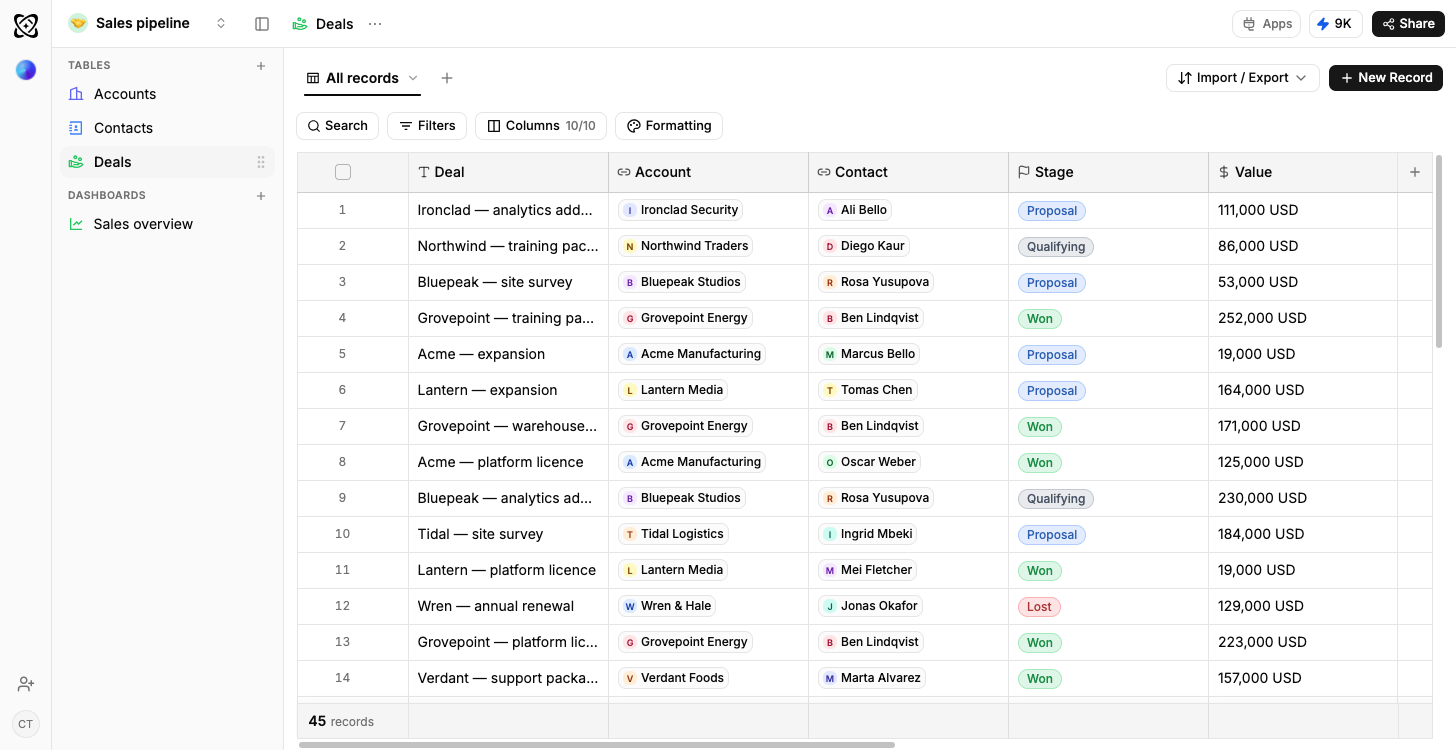
Sales pipeline
Open pipeline by stage, results by owner
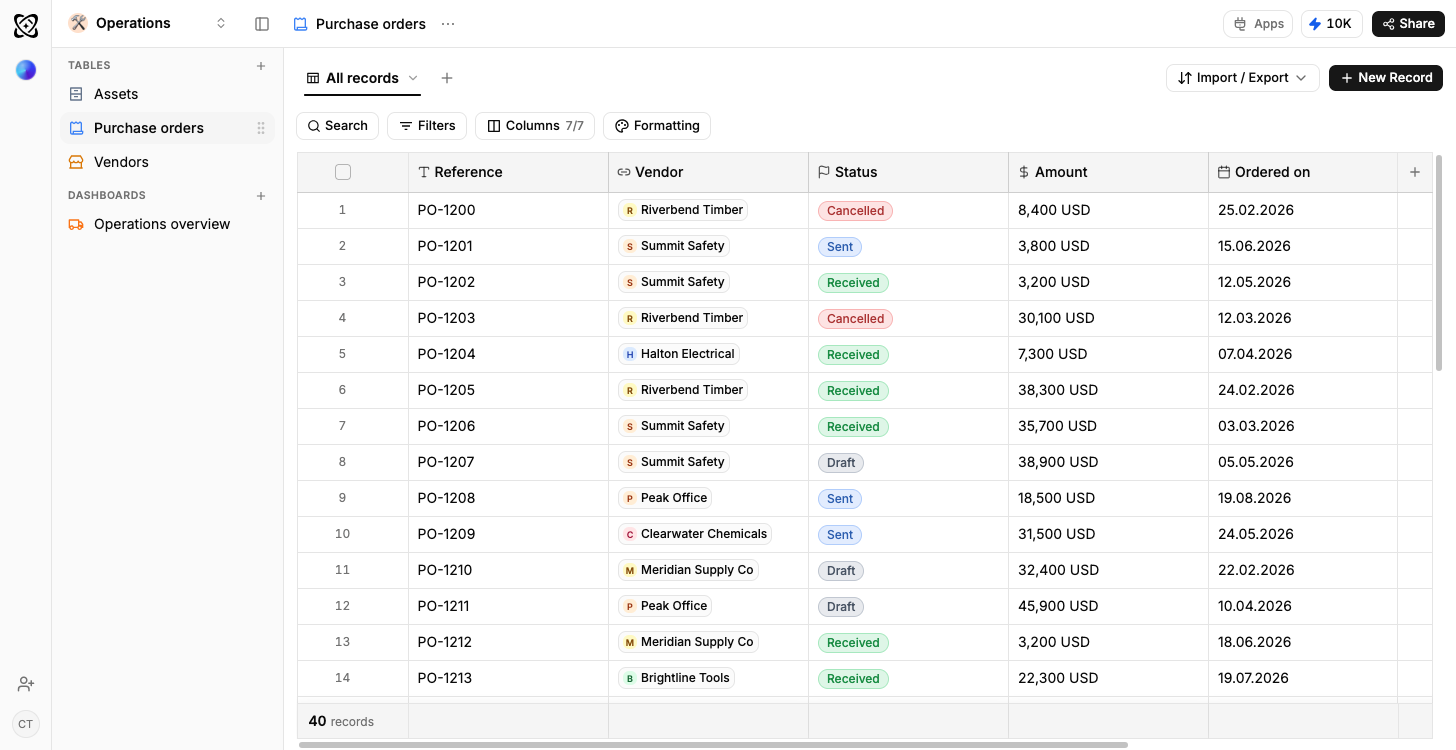
Operations
Orders in flight, spend by supplier
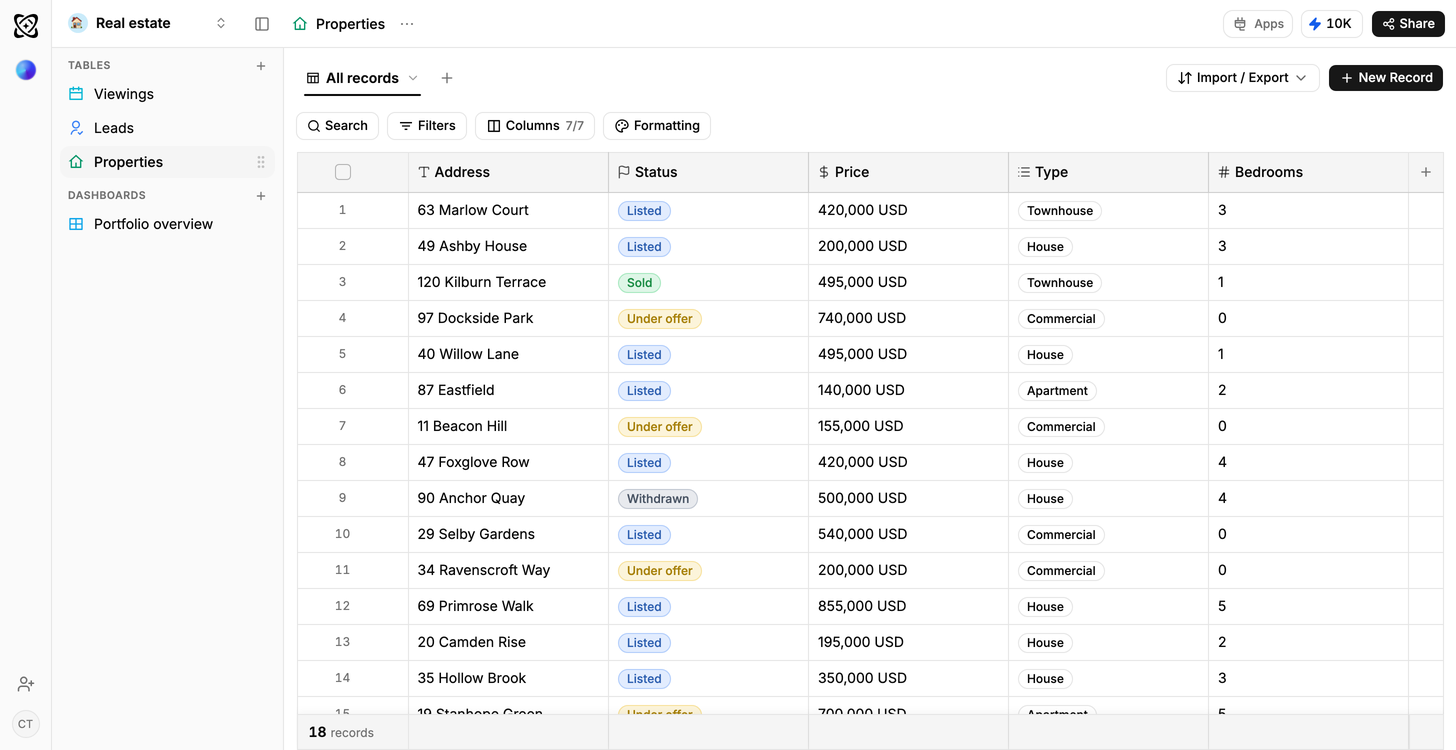
Real estate
Portfolio value and leads, by stage
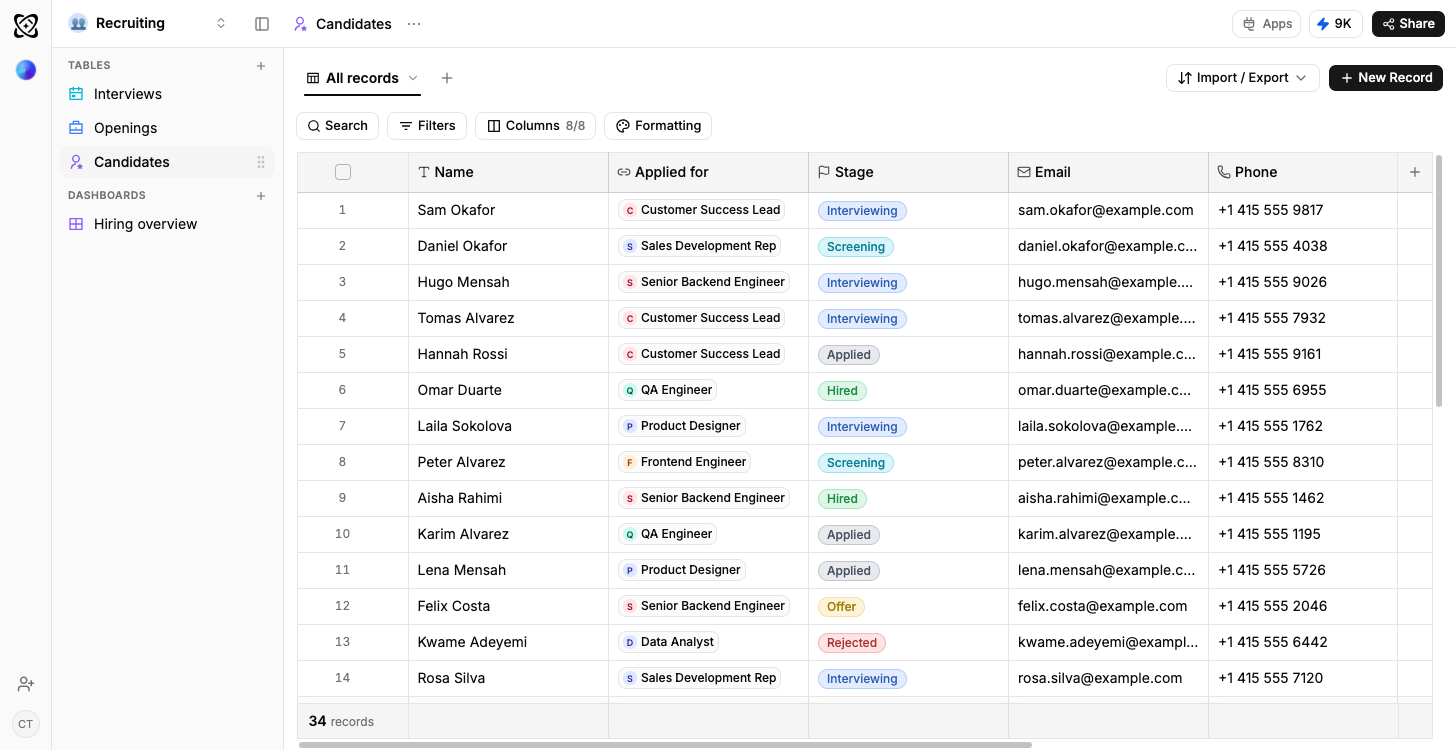
Recruiting
Candidates by stage, openings by status
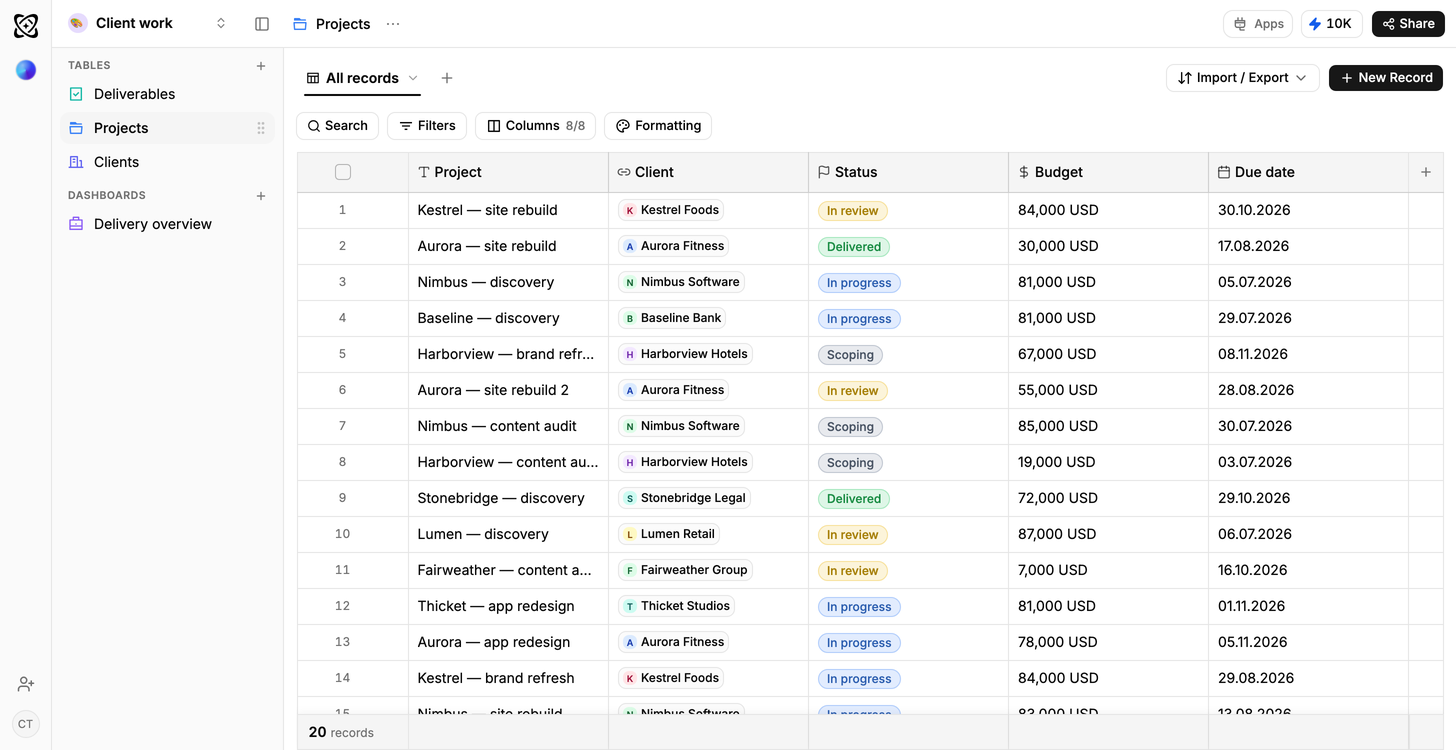
Client work
Due this week; shipped but not billed
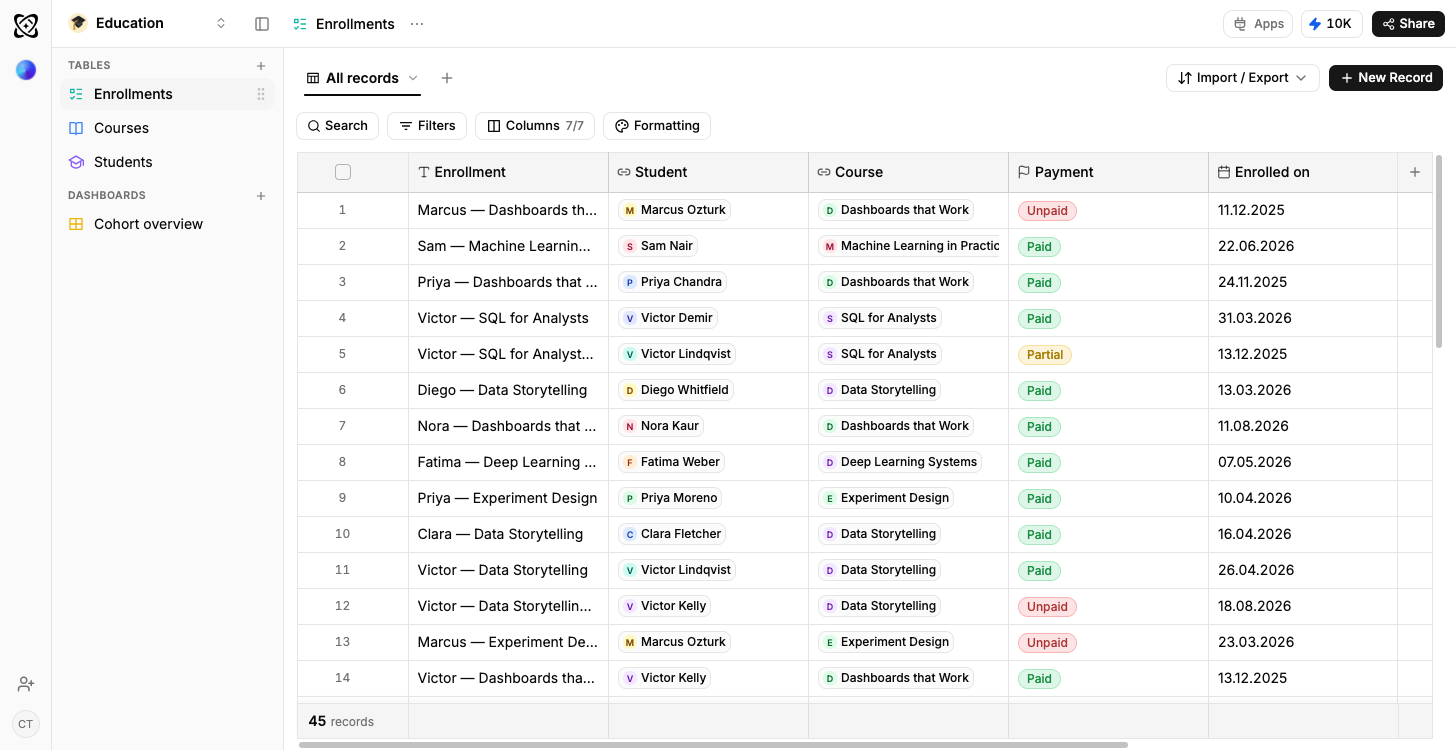
Education
Attendance and completion by cohort
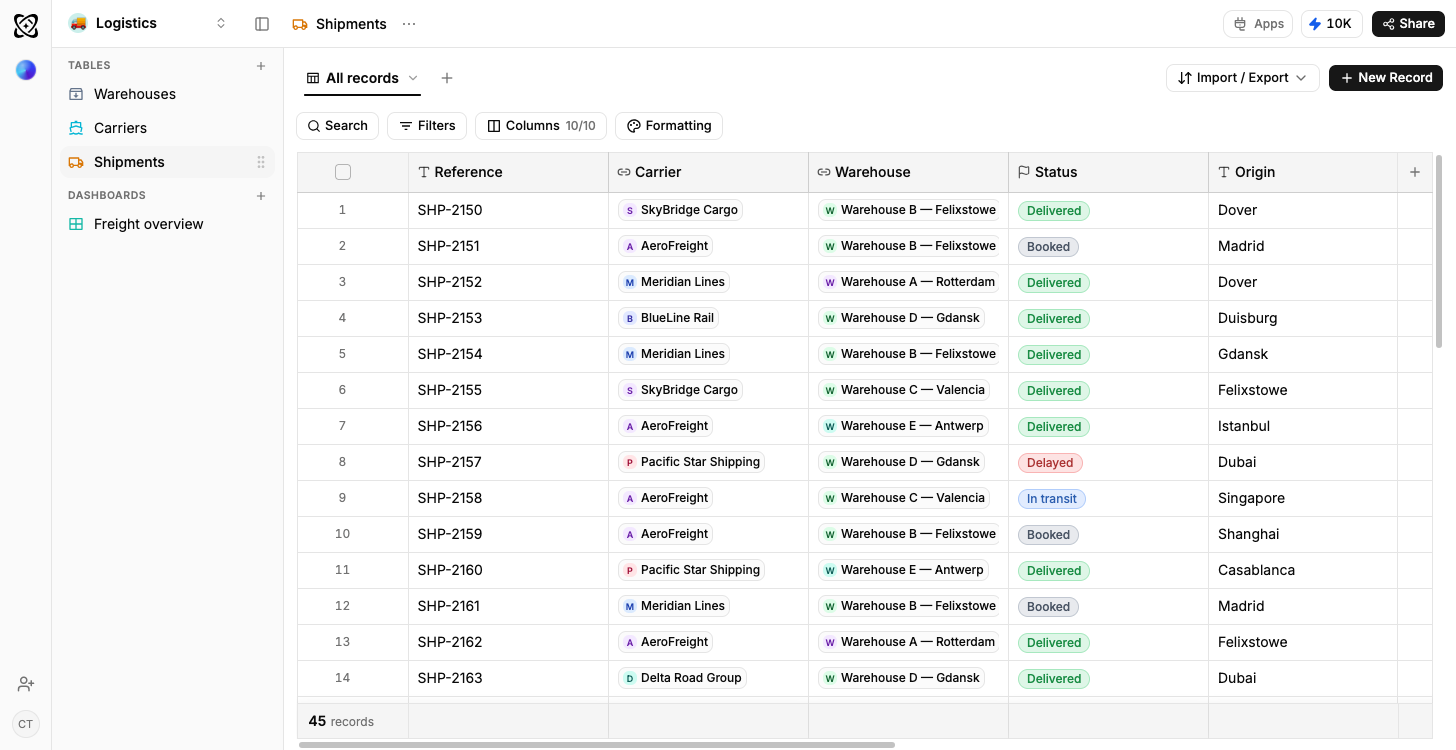
Logistics
On-time rate by carrier and lane
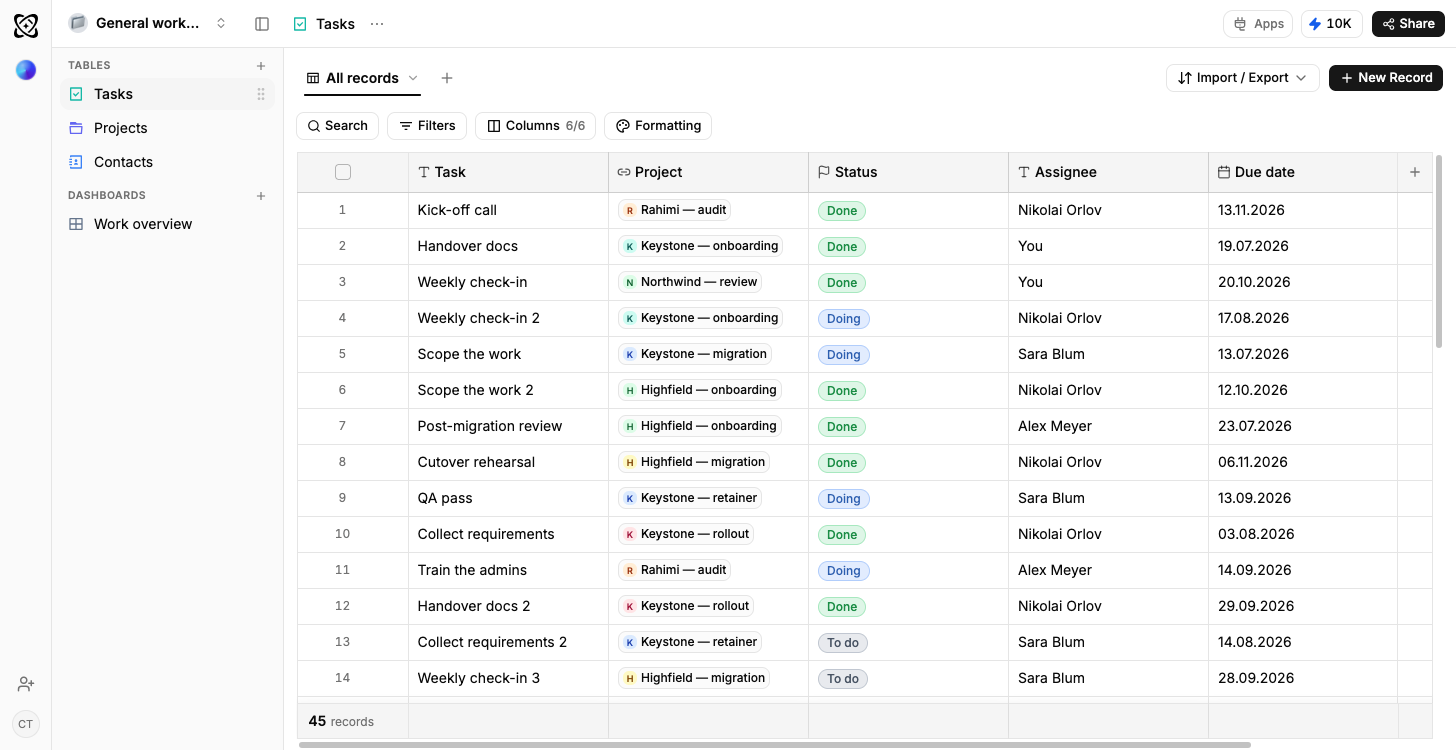
General workspace
Projects and budget by status